
Loss & Bereavement Counselling in Sutton Coldfield & Online
Grief can affect people in very different ways, and it can feel isolating, overwhelming, or difficult to put into words. I offer a safe, supportive space for bereavement and loss counselling in Sutton Coldfield and online.
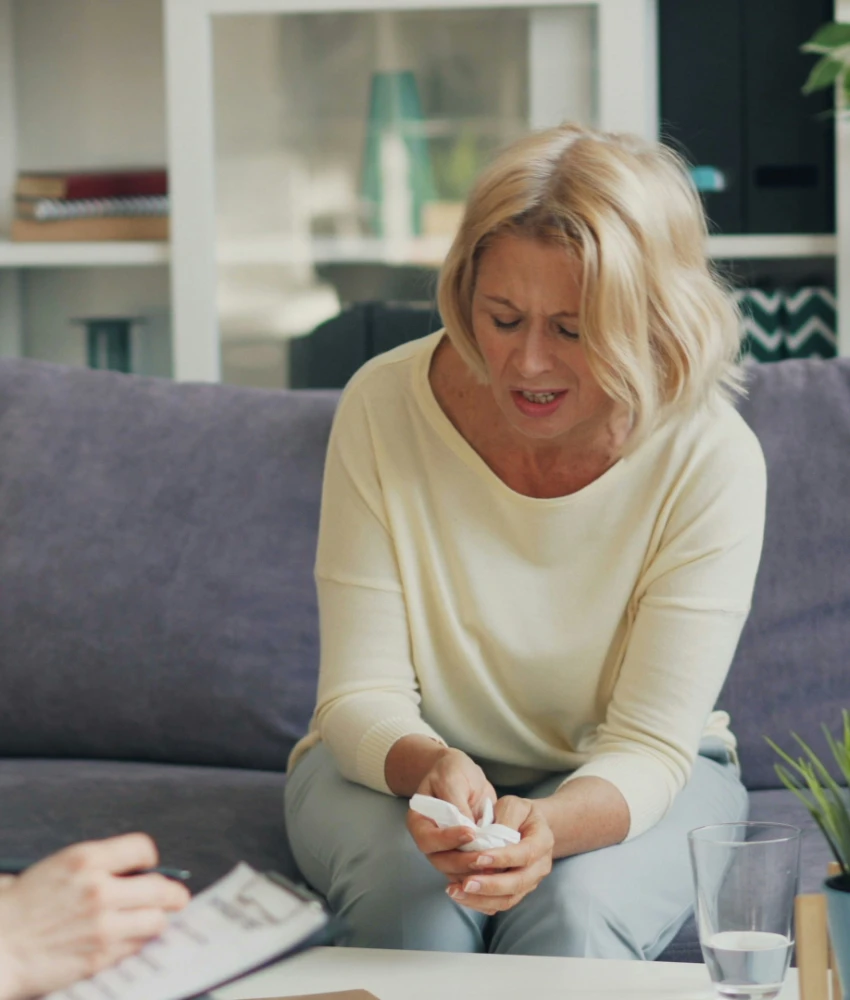

Grief is a natural response to loss
Grief is a natural response to loss, but it can affect people in very different ways.
It may follow the death of someone important, but it can also arise from other significant losses such as changes in health, relationships, identity, or life circumstances.
Grief isn’t a linear process, and there is no “right” way to grieve.
Emotions can come in waves
- Sadness
- Anger
- Guilt
- Confusion
- Numbness
- Relief
For many people, grief can feel isolating, overwhelming, or hard to put into words.
How bereavement counselling can help with loss
Bereavement counselling offers a safe, supportive space to explore grief without pressure or judgement. It gives you the opportunity to express emotions you may feel unable to share elsewhere, and to make sense of your experience at your own pace.
In counselling, you can:
- Learn ways to cope with intense feelings
- Understand how grief is affecting your thoughts and daily life
- Find meaning while still honouring your loss
The aim is not to “move on” or forget. The aim is to help you carry your grief in a way that feels more manageable and allows room for healing and continued living.
Types of grief and loss I can support you with
Complex grief
Complex grief can occur when a loss feels unresolved, overwhelming, or tangled with other difficult emotions. You may feel stuck, numb, or unsure how to move forward while still honouring what you’ve lost.
How complex grief can show up:
- Feeling unable to process what has happened
- Emotions that feel layered or conflicting, such as guilt, anger, or trauma
- A sense of being stuck or unsure how to move forward
- Numbness, overwhelm, or difficulty putting feelings into words
Counselling offers a compassionate space to explore these experiences at your own pace and find ways to carry your grief that feel more manageable.
Anticipatory grief
Anticipatory grief is the grief experienced before a loss occurs, often when facing serious illness, decline, or expected change. It can feel emotionally heavy and uncertain, especially when you’re still trying to cope day to day.
What you might be experiencing
- Waves of sadness, fear, or helplessness
- Guilt for grieving “too soon”
- Ongoing stress and emotional strain
- Feeling pulled between the future and the present
Counselling can help you express what you’re feeling, feel more supported through uncertainty, and find moments of grounding and connection in the here and now.
Life losses
Not all losses are linked to death. Changes in health, identity, relationships, or life circumstances can bring real grief and leave you feeling unsettled about the future.
Examples of life losses
- The end of a relationship
- Changes in identity or role
- Loss of health or ability
- Career shifts or major transitions
- Infertility
- Other significant changes that alter your sense of self and direction
Counselling creates space to acknowledge these losses — even when they feel invisible or minimised — and supports you in rebuilding meaning, resilience, and hope as you move forward.
CASE STUDY
When Sally came for therapy, she was overloaded with sadness and grief. Three of her siblings had died in the previous four years, and she was also supporting her husband, who had received a diagnosis of dementia.
Sally was strong, supporting and caring for everyone within her large family, with no space or time for her wants and needs. We began by creating a space for her to acknowledge the impact of her losses and feel the feelings of grief that had been suppressed in order for her to support others in her family.
Overtime there also became room to explore what the future could look like too, lightly exploring options whilst also recognising the tools and techniques required to navigate an uncertain future.
Sally continues to support those around her whilst also making sure her thoughts and feelings are in the mix too.
Related Blogs
Counselling FAQS
Where is the counselling held?
I offer counselling online, by telephone and face-to-face. Face-to-face sessions are held at a community hub in Sutton Coldfield. Online counselling is via Zoom or GoogleMeet. I will send you a link that you can access via a laptop or mobile. With telephone counselling, I will call you from a private, secure space.
How much does counselling cost?
How many counselling sessions will I need?
This is something we will discuss as part of our first session, as I offer both short-term (up to 6 weeks) and longer-term therapy. As part of therapy, we will also have regular reviews to ensure you are still getting what you need from our work together.
How do I prepare for a counselling session? Will there be homework?
There is nothing in particular that you need to do to prepare for a counselling session. During our time together, I may suggest resources that you may want to explore in between sessions; that is your choice. Some clients also find it helpful take up journaling to record their thoughts and experiences during the therapeutic process, again, it is up to you.
What if I am late or have to cancel at the last minute?
If you are running up to 15 minutes late for a session, please call me on my mobile (0774 6120590) as we can still have our session in our 50-minute slot, although I will be unable to extend the session due to other client appointments. I require a minimum of 24 hrs notice by phone or email for appointments to not incur a payment (50% of my fee plus room fee where applicable). Should you cancel again with less than 24 hours’ notice, you will incur the full fee, and we will not be able to book additional appointments until this is paid.
What if I am not happy with our sessions?
If you are not happy with my professional practice, please discuss this with me in the first instance so that we can try to resolve the difficulty. If we are unable to do this, and you wish to take those concerns further, you can contact my professional body, the BACP.